Agenda Day 1
Morning Track
8:15 am - 8:45 am
Registration & Welcome Coffee
8:45 am - 8:50 am
Chair's Opening Remarks
8:50 am - 9:20 am
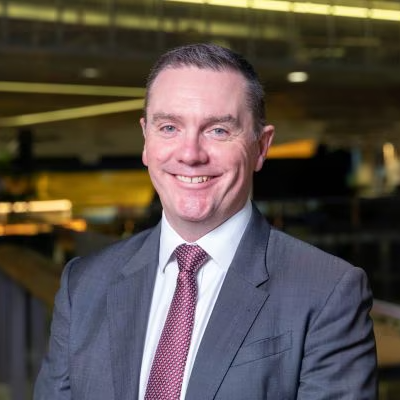
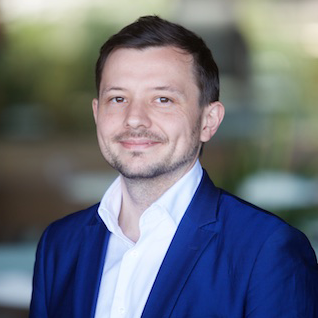
KEYNOTE PANEL DISCUSSION: The Reasonable-Steps Standard: What Three Regulators Will Actually Test
Chris Sheehan -
General Manager of Group Investigations,
National Bank Australia
John-Paul Monck - Chief Risk Officer, Taipei Fubon Bank
Akhilesh Mehta - Chief Operating Officer, Unity Bank
• Unpacking what 'reasonable steps' means in practice under the SPF's core obligations




9:20 am - 9:35 am
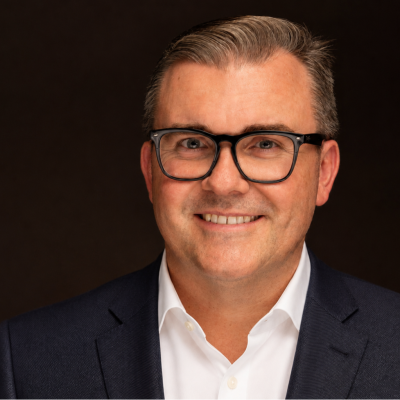
From Scam Intelligence to Customer Protection: Practical Signals for the SPF Era
Mark Gorrie -
VP, APAC, MEA,
GenDigital
We will share current data on scams targeting Australian consumers and highlight the tactics and scale involved.
9:50 am - 10:20 am
PERSPECTIVES PANEL:Left to Navigate Alone: What the SPF Doesn't Say About the Victim's Journey
Alex Brooks -
Vice President,
Scam Victim Alliance
Professor Alana Maurushat - Professor of Cybersecurity and Behaviour, Western Sydney University
Tracy Hall - International Keynote Speake - Scams & Fraud, Tracy Hall Consulting Pty Ltd
A scam survivor, a victim advocate and an academic researcher come together to ask a question this framework hasn't answered yet, who is actually guiding the person who's lost the money through it. This session moves from one person's story to the structural gaps still sitting outside the room and closes by asking what "reasonable steps" would look like if the people who lived through unreasonable ones had a seat at the table.
• Hear directly from a scam survivor on what navigating the system after the fact actually looks like, and why reimbursing the loss isn't the same as repairing the harm
• Understand the patterns behind the story: how common these experiences are, and where banks, telcos and platforms consistently fall short
• Explore the blind spots the SPF doesn't cover, from CALD communities to scams that sit entirely outside the framework, like dating apps
• Discuss what a trauma-informed, victim co-designed response could look like, and whether "reasonable steps" should be defined with lived experience at the table
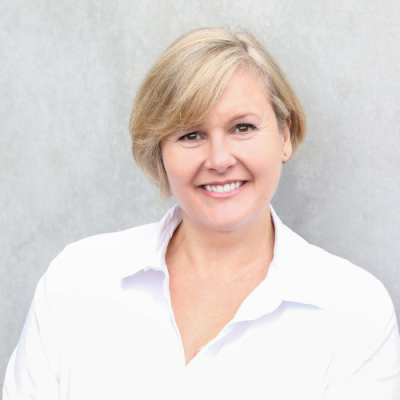

Professor Alana Maurushat
Professor of Cybersecurity and BehaviourWestern Sydney University

10:20 am - 10:50 am
KEYNOTE DISCUSSION: Funding, Liability and Cross-Sector Cooperation — What the Board Needs to Approve
Akhilesh Mehta -
Chief Operating Officer,
Unity Bank
• Converting $50 million per-contravention penalty exposure into a board-approved funding case
10:50 am - 11:10 am
TECHNOLOGY DEMO DRIVE: The Fast Lap - Solutions in the Room
Twenty minutes, back-to-back vendors, zero slides — a rapid lap of the technology shaping SPF compliance right now.
11:10 am - 11:40 am
Morning Networking Break
Morning Networking Break - thirty minutes to trade notes with
Small-group, facilitator-led roundtables — no slides, no stage. Each one opens with a live operational challenge and spends the session working out how designated entities are actually solving it, with the relevant vendor category in the room to react in real time.
IDG Track
How much customer friction a control can defensibly add before it undermines the obligation, and where transaction-level detection sits in the evidence chain
What changes operationally now the register is live, and where network-level blocking hits its limits
Calibrating onboarding and ongoing verification against the mule-account detection obligation without over-verifying low-risk customers
The build-versus-buy decision facing ADIs without major-bank infrastructure budgets, and what 'wait' actually costs
Why detection and takedown speed diverge in practice, and building an intelligence pipeline that meets the 'actionable' bar the SPF sets
Professor Alana Maurushat
Professor of Cybersecurity and BehaviourWestern Sydney University
Turning the cross-sector cooperation obligation into an actual operational contact model

Ben Scott
Head of Industry, Government and Relationship ManagementAustralian Financial Crimes Exchange

Lunch Break
1:10 pm - 2:10 pm
Networking Lunch
Sixty minutes to debrief the IDGs, keep the morning's conversations going, and build the relationships that turn compliance obligations into shared solutions. VIP Lunch runs concurrently — a curated, guest-list-led room for the summit's most senior designated-entity leaders. By invitation only.
Afternoon Two Tracks
2:10 pm - 2:30 pm
CASE STUDY: Getting Confirmation of Payee and Real-Time Detection Live
• Deployment architecture options for institutions without in-house build capacity
• Sequencing confirmation-of-payee rollout against the 31 March 2027 deadline
• Where real-time detection sits in the evidence chain alongside payee verification
• What 'live' actually requires versus what the major banks have already built
2:30 pm - 2:45 pm
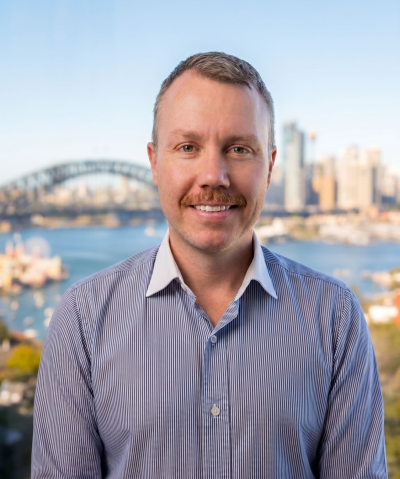
CASE STUDY: Never Twice: Breaking the Scammer’s Playbook
Riki Gardner -
Senior Product Owner - Scams,
Equifax Australia
Scammers thrive when industries operate in isolation, exploiting the blind spots between digital platforms, telcos, banks and other industries. This session reveals how a silo-free ecosystem shares real-time intelligence to catch manipulative chats early and stop fraudulent payments at the gate.

2:45 pm - 3:15 pm
PANEL DISCUSSION: When a Scam Crosses Three Companies, Who's Responsible?
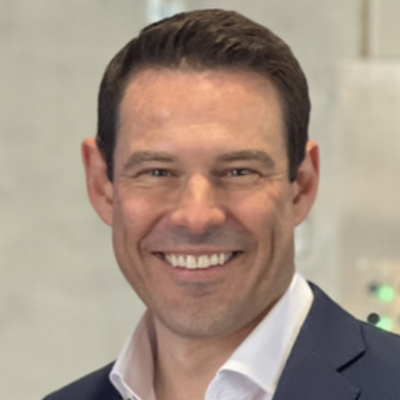
Nicholas Giurietto -
Head of Financial Crime Policy,
Australian Banking Association
Luke Coleman - Chief Executive Officer, Australian Telecommunications Alliance
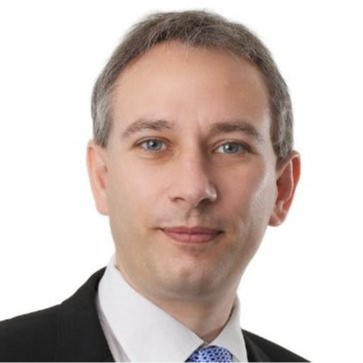
Martyn Taylor - Partner & Board Member, Norton Rose Fulbright
Dr Jennifer Duxbury - Interim Managing Director, Digital Industry Group
• Defining who owns a scam that touches a platform ad, a telco message and a bank payment
• What mandatory AFCA membership changed for complaints spanning multiple entities
• Negotiating an apportionment model when no precedent exists yet
• Building the multi-party IDR (internal dispute resolution) system the cooperation obligation assumes exists




3:15 pm - 3:35 pm
CASE STUDY: What This Means for Telcos and Platforms
• The SMS Sender ID Register and network-level disruption obligations in practice
• Advertiser verification and pre-publication ad review at platform scale
• Detecting and disabling scam content without decrypting encrypted messages
• Where platform and telco obligations on verification actually overlap
3:35 pm - 3:50 pm
PARTNER RESERVED: Industry Case study Hosted by Gen Digital
3:50 pm - 4:20 pm
Afternoon Networking Break
Afternoon Track
4:20 pm - 4:40 pm
CASE STUDY: Proving Compliance — Evidence, Audit Trail and Penalty Readiness
Chris Sheehan -
General Manager of Group Investigations,
National Bank Australia
• Building the evidence layer that converts 'compliant' from an assertion into a defensible claim
4:40 pm - 5:00 pm
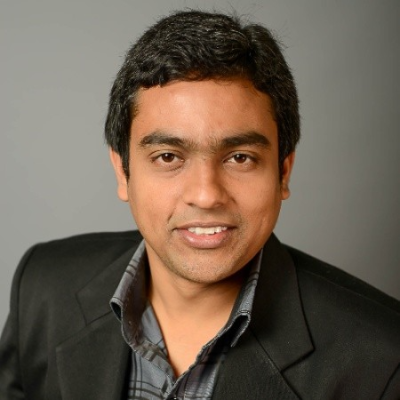
PANEL DISCUSSION: Buying or Building AI: What Procurement Readiness Looks Like When the Model Makes the Call
Pradeep Donkada -
Head of Data & Intelligence Protect: Fraud & Financial Crime,
Westpac
• Evaluating an AI model's decisions when no regulator has tested it yet
• Building audit trail requirements before deployment, not after an incident
• Who owns the outcome when the model gets it wrong, the team that built it or the business that deployed it
• What organisations across banking, telco and platforms should ask before an AI system goes live

5:00 pm - 5:25 pm
PANEL DISCUSSION: What Every Designated Entity Needs by 31 March 2027
Dietrich Marquardt -
Special Counsel Competition, Antitrust & Regulatory,
Norton Rose Fulbright
• Pulling the day's threads together across governance, funding, detection and evidence
Dietrich Marquardt
Special Counsel Competition, Antitrust & RegulatoryNorton Rose Fulbright

5:25 pm - 5:30 pm
Chair's Closing Remarks
5:30 pm - 6:30 pm
Networking Drinks Reception
A day of live intelligence, hard conversations and new connections — the room stays open to keep all three going.