AI Adoption and Literacy Focus Day - Wednesday 23 September
9:00 am - 9:30 am
Breakfast & Registration
9:30 am - 10:00 am
Opening Panel Discussion – Proving AI Value: Measuring Real Business Impact Beyond Metrics
Miriam Fernández -
Director, AI Research & Adoption Lead, Analytical Innovation,
S&P Global Ratings
Adelheid Moxon - Head of People Innovation & Transformation, Holcim
AI success is often reduced to performance benchmarks and technical metrics, but the real impact of AI goes far beyond accuracy scores. This opening panel explores how organizations can evaluate AI through a broader lens, including business value, human outcomes, trust, governance, and long-term societal impact. Panellists will share perspectives on what meaningful measurement looks like in practice and how responsible AI adoption requires new ways of defining success.
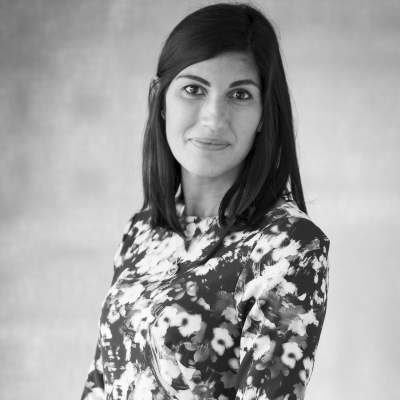
Miriam Fernández
Director, AI Research & Adoption Lead, Analytical InnovationS&P Global Ratings



10:00 am - 10:30 am
Presentation / Case Study – From AI Training to Workforce Transformation: HR as the Engine of Scaled AI Adoption
Mariana Hebborn -
Global Head of HR AI & Data Governance,
Merck Group
At Merck, AI adoption is being operationalized through workforce design, embedding learning in real workflows rather than through standalone courses. HR leads act as the organizational lighthouse, linking AI fluency to role-specific skills employees can apply immediately. Mariana Hebborn, Head of HR Data & AI Governance, unpacks the operating model, governance, and activation tactics that enable responsible AI to scale across thousands of employees. Responsible AI becomes part of the organization's mindset, data, tooling, and operating model.


10:30 am - 11:00 am
Panel Discussion – Let’s Talk Recruitment: The Role of AI in Job Availability
Philippa Penfold -
Responsible AI & Data Science Manager,
Elsevier
Agnes Bade - Vice President Group Head AI & Digital Law, The Adecco Group
As AI adoption accelerates across industries, questions about its impact on jobs and hiring continue to grow. This panel explores how AI is reshaping recruitment, job availability, and workforce skills. Panellists will discuss how organisations can responsibly integrate AI into hiring practices while supporting workforce adaptation and maintaining fair access to employment.




11:00 am - 11:30 am
Morning Networking Coffee Break
11:30 am - 12:00 pm
Case Study – The Human Infrastructure Behind AI
Claudiu Badea -
Early Careers Lead,
Shell


12:00 pm - 12:30 pm
Breakout Session – Adapting AI Literacy for Agentic AI: From Tools to Autonomous Collaboration
As organisations begin working with agentic AI systems that can plan, act, and coordinate across workflows, AI literacy must evolve in step. This interactive breakout session explores how enterprise adoption strategies are shifting as AI moves from tool-based use to agent-based collaboration. Through discussion, participants will examine what this means for workforce readiness and how to redesign literacy programmes for emerging capabilities.
• Understanding agentic AI and enterprise implications
• Preparing workforces for AI agent collaboration
• Evolving literacy for autonomous AI systems
12:45 pm - 1:45 pm
Networking Lunch
1:45 pm - 2:15 pm
Panel Discussion – Onboarding the Business: Taking a Functional Approach to Embedding AI for Real Impact
Shay Weiss -
Head of Ireland’s Engineering, DevOps and Product, Director WBA Digital,
Walgreens Boots Alliance
Tom Stiff - AI Transformation, Adoption & Strategic Engagement Lead, Shell
Julia Hunter - AI Adoption and Culture Lead, ScottishPower
As organisations rapidly adopt advanced AI tools, success depends on how well they are applied across different business functions, not just how they are built. This panel explores practical strategies for driving value in context. Panellists will share what works, where functions struggle, and how organisations are building shared AI fluency to enable effective and responsible use. The session highlights the cultural, operational, and learning approaches that make AI relevant, usable, and impactful across the business.
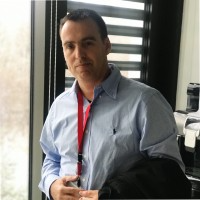
Shay Weiss
Head of Ireland’s Engineering, DevOps and Product, Director WBA DigitalWalgreens Boots Alliance


2:15 pm - 2:45 pm
Presentation – Closing the AI Adoption Gap: A Literacy Programme Built to Evolve at Philips
Rakesh Doddamane -
Generative AI/Responsible AI and User Experience Lead,
Philips
Most enterprises underestimate the biggest barrier to responsible AI adoption: uneven baseline literacy. At Philips, Rakesh Doddamane, Gen AI and Responsible AI Lead, shares practical insights from building and evolving a structured AI literacy program. He explores a multi-faceted approach, including tiered GenAI certification courses and hands-on sessions using tools like Philips AI Chat, highlighting how these efforts bridge learning to real-world application. He also discusses the challenges, lessons learned, and metrics that measure the gap between literacy and meaningful AI adoption.


2:45 pm - 3:15 pm
Closing Panel Discussion – Where Do We Go From Here? Sustaining Momentum for AI Literacy
Danielle Langford -
Responsible AI Specialist,
Zurich Insurance
Emily Campbell-Ratcliffe - Head of AI for Local Growth, Department for Science, Innovation, and Technology
The focus now shifts to sustaining momentum and turning learning into long-term capability. This closing panel reflects on the day’s discussions and explores the next steps for operationalising AI literacy across organisations. The conversation will also emphasise the importance of building a cross-industry community: sharing experiences, challenges, and emerging practices to collectively advance responsible AI adoption.



Emily Campbell-Ratcliffe
Head of AI for Local GrowthDepartment for Science, Innovation, and Technology